Summary (by AI): Despite the dreary weather, I felt a sense of disappointment that modern Reigate has become a transit junction, but I could still feel the deep history of the town as the gateway to the coast while visiting the old Reigate Tunnel.
Blog: I visited the Reigate Tunnel on a dreary February day. It was drizzling, and if I remember the news correctly from this morning, we’ve had rain every single day for the last thirty days.
As I walked around Reigate, I realized I don't think I’ve ever actually explored the town on foot before. I’ve certainly driven through it plenty of times—I recognized the layout of the roads—and that actually feels quite apt. When you’re walking through Reigate, it genuinely feels like you’re in the middle of a massive, busy thoroughfare. The High Street is dominated by traffic; it feels like most of the cars are just passing through to somewhere else.
This sense of being a transit hub is exactly why the Reigate Tunnel exists. It was born out of pure necessity. Around 1820, the route from London to Brighton was becoming incredibly popular for horse and carriage travel. The problem was the geography of Reigate itself: as you come down into the town, there is a large mound in the middle of the hill—topped with the remains of an old Norman Castle—that you effectively have to navigate around.
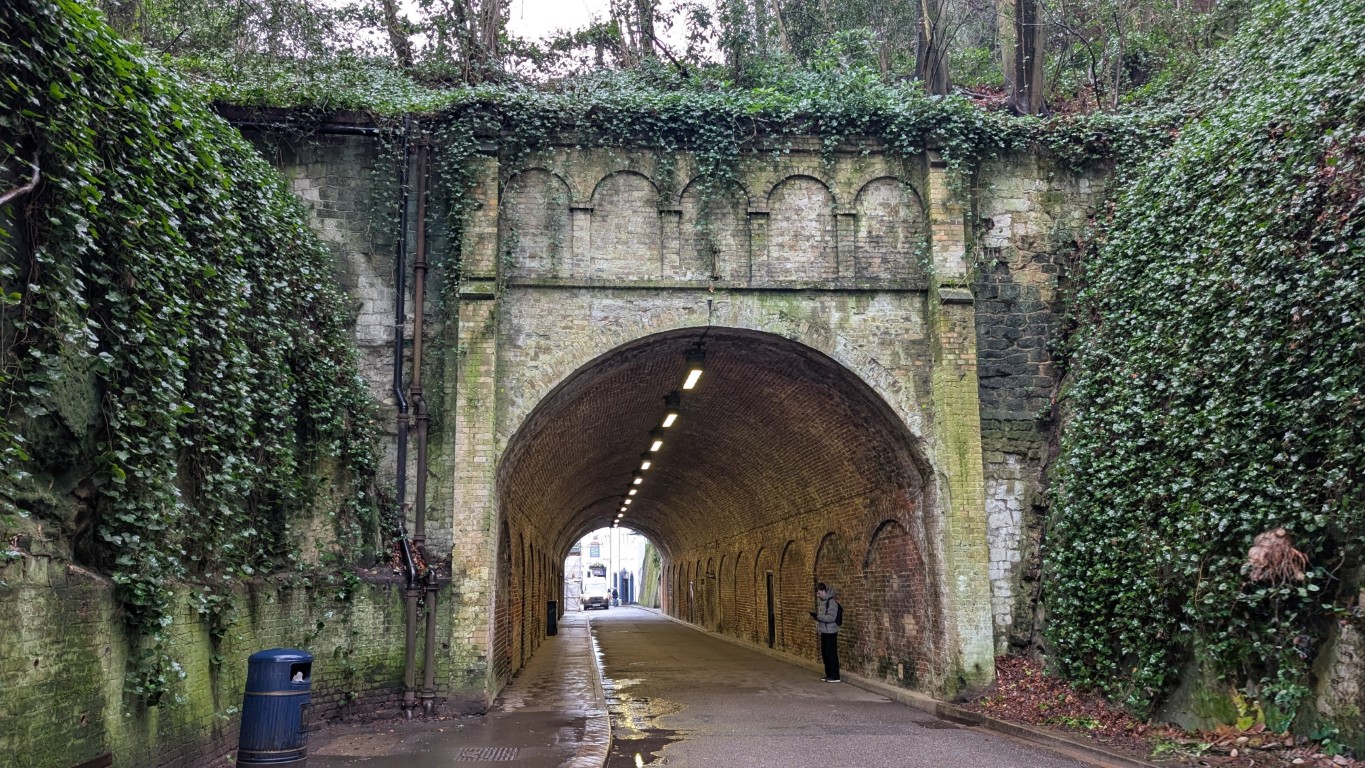
Back then, the horses and carriages were hitting a major bottleneck at that mound. People were getting fed up and started looking for alternative routes. Seeing an opportunity, a local landowner came up with an enterprising plan to build a tunnel right through it.
The tunnel was carved out of the local sand, which necessitated massive stone fortifications to give it structure. It turned out to be a historic achievement: it was Britain’s first road tunnel, and some historians believe it may have been the first in all of Europe. In its heyday, it cost six shillings to take a cart through. Apparently, that’s the equivalent of about £1.50 in today’s money—though given the current rate of inflation and the cost of living, it would probably cost an awful lot more now!
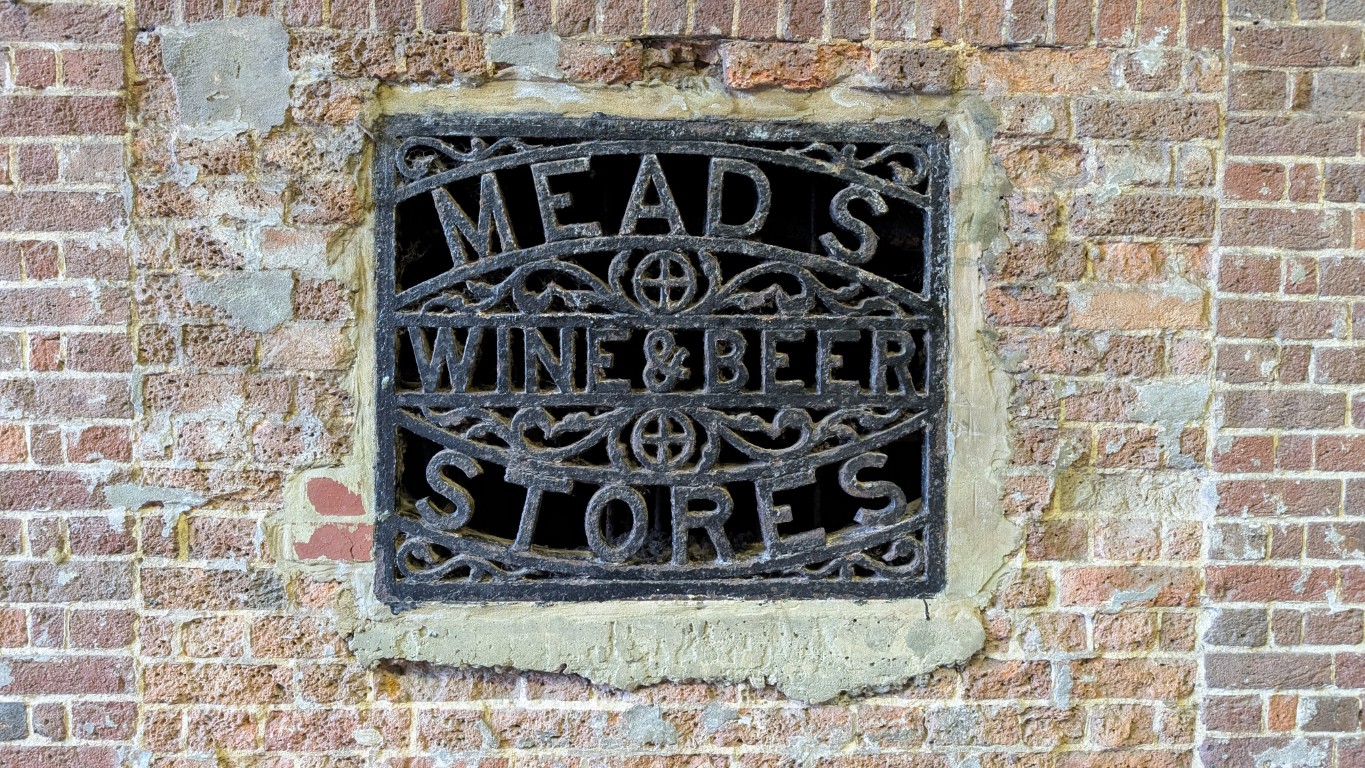
The tunnel was a huge success. It preserved the London-to-Brighton thoroughfare and allowed Reigate to thrive as a destination. Over the years, it has lived many lives. It served as an air raid shelter during World War II, and there are several other caves branching off from it. As you walk through the tunnel today, you can see signs for the Reigate Caves, which have been used for everything from ammunition storage and a rifle club to hosting concerts. I even spotted a large wrought-iron sign for a company that once stored their local wines and ales down there. It’s a space that has constantly reinvented itself.
Up until the 1970s, the A217 ran directly through the tunnel. Eventually, it was closed to traffic, and they built the large ring road that now circles the town. As I mentioned, that modern road system makes Reigate feel more like a town situated on a junction rather than a destination in its own right, which is a bit of a shame. But standing there in the rain, looking at that old stone-fronted passage, you can still feel the history of a town that was once the gateway to the coast.
The Map:
from SJH Retirement https://ift.tt/NlceHQ5
via IFTTT